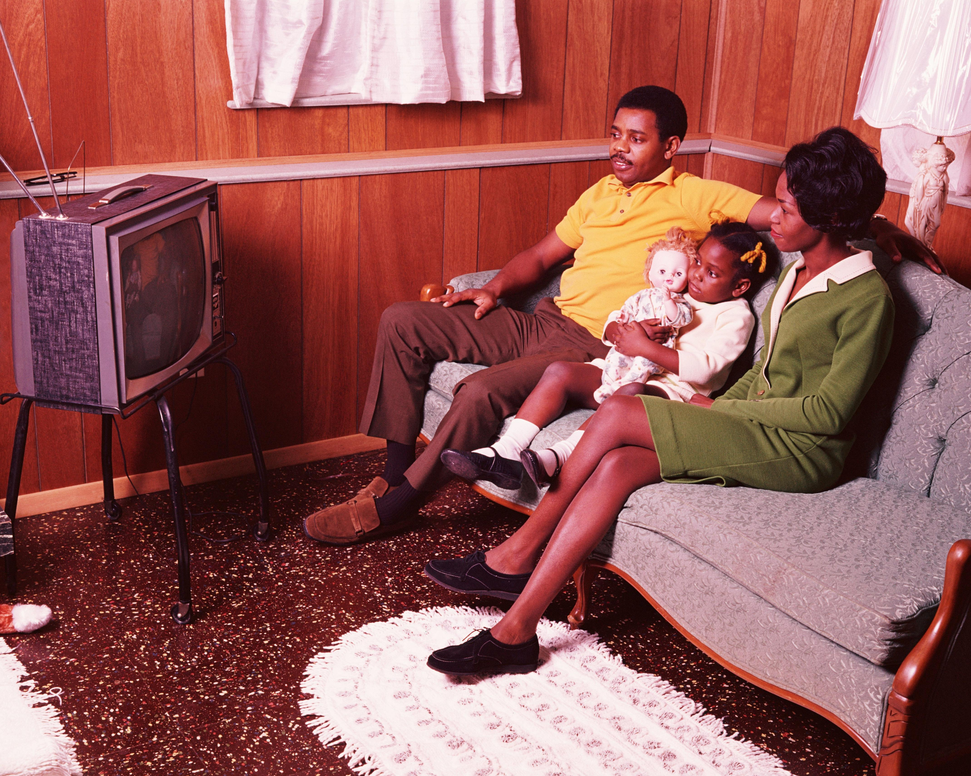
There was something special about growing up in America during the 1960s and 1970s. The houses looked different, family routines had their own rhythm, and everyday entertainment often meant gathering around a television or spending an afternoon outside with friends.
For many people, the memories of those years are connected to little things that might seem ordinary today: a telephone in the kitchen, handwritten letters, a favorite television show, or the sound of a screen door closing behind someone heading outside.
Life wasn’t perfect back then, and every family had its own experiences. But familiar objects and traditions can still bring back powerful memories of childhood, parents, grandparents, and the places that once felt like home.
If you grew up during those decades, these 15 reminders might take you on a trip down memory lane. How many do you remember?
1. The Family Television That Brought Everyone Together
Before streaming services and endless channels, watching television was often a shared family activity.
The family might gather in the living room to watch a favorite sitcom, a variety show, a western, or the evening news. If someone else wanted to watch something different, a little negotiation might be necessary.
Television became a major part of American home life during the decades leading up to the 1960s. By the time the 1970s arrived, favorite shows had become part of many families’ weekly routines.
Do you remember waiting all week for your favorite program to come on?
2. The Rotary Telephone in the Kitchen
A telephone wasn’t something everyone carried in a pocket. It was an object in the home, sometimes sitting on a table or hanging on the kitchen wall.
Making a call could involve turning the rotary dial one number at a time and listening to the familiar clicks as it returned to its starting position.
Long conversations with friends or relatives could be memorable, especially when someone else in the family was waiting for their turn to use the phone.
And privacy? That depended a lot on where the telephone was located and how curious the rest of the household happened to be.
3. Handwritten Letters and Birthday Cards
Today, a quick message can travel across the country in seconds. In the 1960s and 1970s, handwritten letters and greeting cards offered a more personal way to stay connected over long distances.
People wrote letters to relatives, sent birthday cards, and sometimes kept old notes in drawers or boxes for years.
Receiving a letter in the mailbox could be a small but meaningful event. Someone had taken the time to choose paper, write a message, and send it.
Do you still have an old letter or card that you could never bring yourself to throw away?
4. Saturday Morning Cartoons
For many children, Saturday mornings meant cartoons, pajamas, breakfast, and a few precious hours before the rest of the day began.
There was no need to scroll through an app to decide what to watch. Children checked the television schedule and tuned in when their favorite programs started.
Missing an episode could mean waiting until the next broadcast. That made the weekly routine feel special in a way that on-demand entertainment rarely does today.
For some families, Saturday mornings became a childhood ritual that is still easy to remember decades later.
5. Playing Outside Until Someone Called You Home
Before smartphones became part of everyday life, children often arranged to meet friends outside and spent hours riding bicycles, playing games, or exploring their neighborhoods.
Parents might expect children to come home at a certain time or return when they heard a familiar call from the house.
The games depended on the neighborhood and the season. Some children played tag, jump rope, hopscotch, or hide-and-seek. Others organized bicycle races or made up their own games.
Of course, childhood wasn’t the same everywhere, and not every child had the same freedom or opportunities. Still, for many adults, memories of outdoor play remain among the strongest reminders of growing up.
What was your favorite game to play outside?
6. The Family Photo Album on the Coffee Table
Family photographs were precious keepsakes. They captured birthdays, holidays, vacations, school pictures, and ordinary moments that later became important memories.
Instead of instantly seeing hundreds of pictures on a screen, families often looked through printed photographs together.
An album might contain faded snapshots, carefully arranged portraits, or pictures with handwritten dates on the back. Sometimes, the best part was listening to a parent or grandparent explain who everyone was.
Those photographs can reveal how much has changed—and how much family stories still matter.
7. TV Dinners and Trays in Front of the Television
The television tray became a familiar part of home entertainment for many American households.
Lightweight folding tables made it possible to eat in the living room while watching a favorite program. Frozen dinners and other convenience foods also became increasingly familiar in American kitchens during the 1960s.
Some families saved this arrangement for a special evening, while others used it whenever a busy schedule made dinner easier to manage.
The combination of a warm meal, a favorite show, and a comfortable chair could make an ordinary evening feel like a treat.
Did your family ever eat dinner in front of the television?
8. The Neighborhood Grocery Store
Shopping for groceries could be a different experience depending on where a family lived.
Some people visited small neighborhood stores, while others shopped at larger supermarkets. Children might accompany their parents, help carry bags, or ask for a favorite treat near the checkout counter.
Paper shopping lists, familiar store employees, and weekly shopping routines were part of everyday life for many families.
Not every store was the same, of course. But people often remember the little details of the places where their families regularly shopped.
Can you still picture the grocery store you visited as a child?
9. School Lunchboxes and Notes From Home
A lunchbox could be much more than a container for a sandwich.
It might feature a favorite cartoon character, a colorful pattern, or a design connected to a popular television show. Inside were familiar lunches packed before school, sometimes accompanied by a small note from a parent.
For children, lunchboxes were also part of the school-day routine. Friends compared designs, traded snacks, and remembered which foods they hoped to find inside.
Even the simplest school lunch can become a powerful memory when viewed through the eyes of an adult.
10. Family Dinners Around the Table
For many households, dinner was a regular opportunity to catch up with family members.
People discussed school, work, neighborhood news, and plans for the next day. Some families ate together every evening, while others gathered whenever everyone’s schedule allowed.
Meals varied widely across American households, reflecting regional traditions, cultural backgrounds, budgets, and personal preferences.
What made these moments meaningful wasn’t necessarily an elaborate menu. It was the opportunity to spend time together.
Do you remember a particular meal your mother, father, or grandmother used to make?
11. The Radio Playing in the Background
Radios provided music, news, sports, and entertainment throughout the day.
A radio might sit on the kitchen counter, stand beside a bed, or travel in the family car. People listened to their favorite stations, discovered new songs, and sometimes waited to hear a particular track.
Music can be especially powerful because a familiar melody can bring back memories of a person, a place, or a particular stage of life.
Hearing an old favorite today might remind you of a school dance, a first date, a road trip, or a Saturday spent doing chores around the house.
Which song takes you straight back to your younger years?
12. The Kitchen Table Where Everyone Had a Place
In many homes, the kitchen table served several purposes.
It was where people ate breakfast, helped children with homework, sorted mail, paid bills, played cards, or talked over a cup of coffee.
It could also become the center of family celebrations, with extra chairs pulled up when relatives visited.
A kitchen table didn’t have to be expensive or stylish to become an important part of family life. Its meaning came from the conversations and everyday moments that happened around it.
Sometimes, the places we remember most fondly are the ones we barely noticed when we were young.
13. Road Trips Planned With Paper Maps
Family road trips often required a little more preparation than they do today.
Drivers might consult a paper map, write down directions, and ask someone to help navigate. Children watched the scenery, listened to the radio, and wondered how much longer the journey would take.
Getting lost could mean stopping to ask for directions or unfolding a map across the dashboard at the next safe opportunity.
The journey itself often became part of the adventure, filled with roadside stops, packed snacks, and family stories that lasted long after the vacation ended.
Do you remember a road trip that your family talked about for years afterward?
14. The Clothes and Styles That Defined an Era
Fashion in the 1960s and 1970s included a remarkable range of styles.
Depending on the year and personal taste, people wore miniskirts, shift dresses, bell-bottom jeans, wide collars, colorful prints, platform shoes, and other memorable looks.
Fashion also varied by age, location, culture, and budget. Not everyone followed the same trends, but many people can still recognize a particular decade by looking at old family photographs.
Looking back at those outfits can be funny, sentimental, or both. Some styles have returned, while others remain wonderfully tied to their time.
Which fashion trend did you love—and which one would you happily leave in the past?
15. The Simple Rituals That Made a House Feel Like Home
Perhaps the strongest memories aren’t connected to any single object.
They are the small rituals that made ordinary days feel familiar: the smell of something baking, a parent reading the newspaper, a grandparent telling the same story, or the family gathering in the evening.
Some households had a garden to tend, a porch where neighbors chatted, or a favorite chair that seemed to belong to one particular person.
Other families created their own traditions, shaped by their culture, community, and circumstances.
These memories remind us that nostalgia isn’t only about the things we owned. It’s also about the people who shared our lives and the routines that made a place feel like home.
Why These Memories Still Matter
Looking back at the 1960s and 1970s doesn’t mean believing everything was better in the past. Those decades had serious challenges, and everyday life was not equally comfortable or fair for everyone.
But remembering the past can help us appreciate how much American life has changed. Technology transformed entertainment and communication, household routines evolved, and new conveniences became part of daily life.
At the same time, family photographs, favorite songs, handwritten notes, and familiar recipes can still connect people to their personal histories.
Sometimes, the smallest details are the ones we remember most clearly.
How Many of These 15 Things Do You Remember?
Now it’s your turn.
Did you grow up in the 1960s or 1970s? Maybe you remember the rotary phone, Saturday morning cartoons, family road trips, or sitting around the kitchen table listening to stories.
Tell us in the comments: What is one thing from your childhood that you wish you could experience just one more time?
Was it a favorite television show, a special meal, a family tradition, or simply spending time with someone you miss?
Share your memory with us. Your story might remind someone else of a moment they haven’t thought about in years.