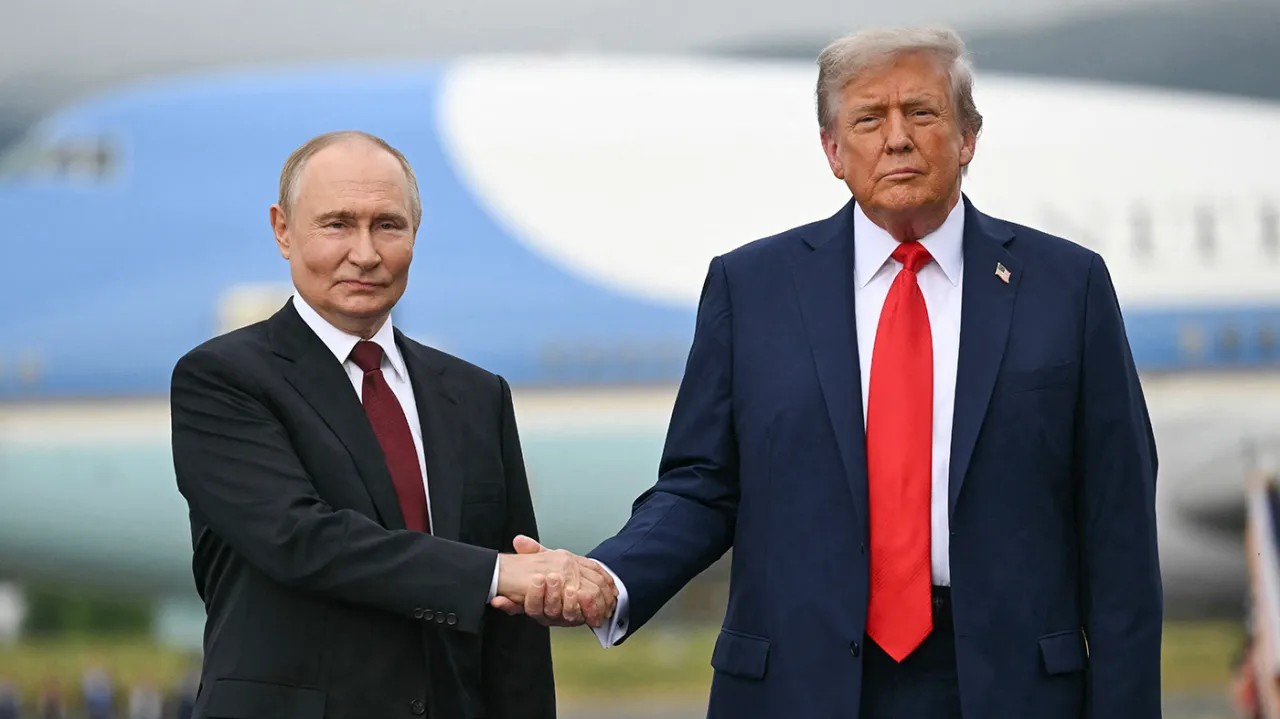
President Donald Trump has announced a deal with Russian President Vladimir Putin to increase diesel supplies to the United States and global markets, a move that marks a significant shift in Washington’s approach to Russian energy exports.
The announcement came as American consumers faced sharply elevated diesel prices and the Trump administration looked for ways to ease pressure on households and businesses ahead of the November midterm elections.
Trump said Russia would immediately provide more than 300,000 metric tons of diesel, followed by additional shipments in the coming months. The administration also moved to temporarily ease sanctions affecting Russian diesel shipments, drawing criticism from Ukraine and some American lawmakers. <Cite refs={[“turn390762news4″,”turn390762news6”]}/>
Trump Announces Agreement Following Call With Putin
Trump revealed the agreement on social media after speaking with Putin. He said the additional fuel supplies would help bring down diesel prices for Americans, particularly farmers, ranchers and truckers.
According to Trump’s announcement, Russia would supply more than 300,000 tons immediately, followed by another 500,000 tons in November and 1 million tons afterward. He also described plans for a further 3 million tons within a relatively short period.
However, details about the financial arrangements, the buyers and the precise timing of all deliveries have not been fully disclosed. The Kremlin confirmed that the leaders discussed Ukraine, Iran and bilateral relations during their conversation. <Cite refs={[“turn390762news4″,”turn390762search0”]}/>
US Eases Sanctions on Russian Diesel
Following Trump’s announcement, the US Treasury Department issued a temporary license allowing Russian diesel to reach global markets under specified conditions. The measure represents a notable adjustment to sanctions imposed as Washington sought to limit Moscow’s energy revenues following Russia’s full-scale invasion of Ukraine in 2022.
The temporary authorization applies to qualifying Russian diesel shipments loaded onto tankers as of October 9, with the sanctions relief extending into April 2027.
The decision has drawn attention because the administration had recently backed tougher measures targeting Russian energy revenue. Critics argue that allowing additional Russian fuel sales could provide Moscow with money that helps sustain its war effort. <Cite refs={[“turn390762news4″,”turn390762search3”]}/>
Ukraine Criticizes the Decision
Ukrainian President Volodymyr Zelenskyy criticized the agreement, arguing that easing restrictions on Russian energy exports could strengthen Moscow while the war continues.
Some US lawmakers also questioned the decision. Republican Representative Don Bacon joined critics who argued that Washington should maintain pressure on Russia rather than relax restrictions connected to its energy exports.
The controversy highlights the challenge facing the Trump administration as it tries to address domestic fuel costs while continuing to navigate the war in Ukraine and its relationship with Moscow. <Cite refs={[“turn390762news6″,”turn390762search0”]}/>
Will the Deal Lower Diesel Prices?
Diesel prices have surged amid disruptions to global energy markets linked to the conflict involving Iran. The fuel is particularly important to trucking, agriculture and construction, meaning higher costs can also affect the prices consumers pay for goods and food.
Although diesel futures declined after Trump announced the agreement, energy analysts have cautioned that the additional supplies may not produce a major or lasting reduction in prices. If Russian fuel is redirected to American buyers, other countries may need to find alternative supplies, limiting the overall effect on global availability.
The ultimate impact will depend on how much fuel is delivered, when it reaches buyers and how global supply and demand evolve. <Cite refs={[“turn390762news5″,”turn390762news6”]}/>
A Major Policy Shift With Political Consequences
The agreement puts two priorities of the Trump administration in tension: reducing energy costs for Americans and maintaining economic pressure on Russia over its war in Ukraine.
With the midterm elections approaching, lower fuel prices could offer political benefits if consumers see meaningful relief. But critics warn that relaxing sanctions could weaken Washington’s leverage over Moscow and complicate efforts to support Ukraine.
For now, the agreement’s practical effect remains uncertain. Its significance extends beyond the energy market, raising broader questions about US sanctions policy, relations with Russia and the future of international efforts to end the war in Ukraine.