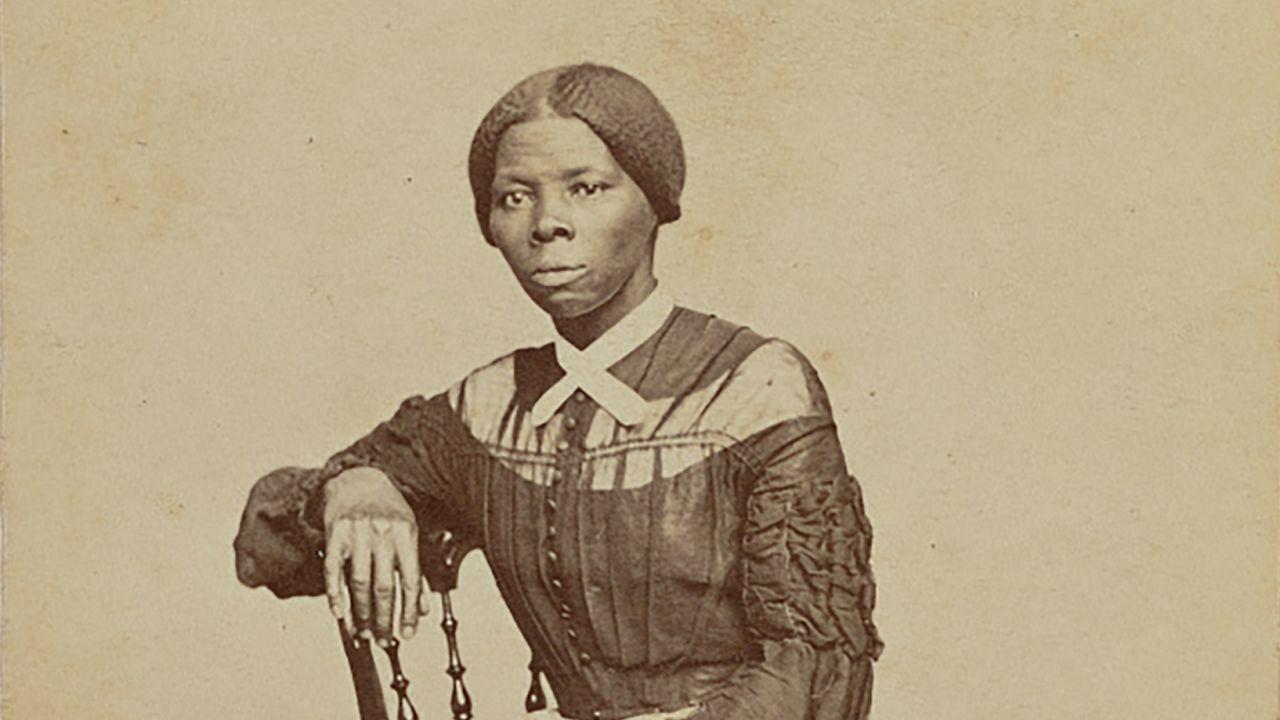
Imagine finally reaching freedom after years of being controlled by someone else. You can leave the danger behind, start a new life, and never look back.
But what if the people you love are still trapped?
That was the heartbreaking reality Harriet Tubman faced in 1849. After escaping slavery in Maryland, she made a decision that would put her life at risk again and again: she would return to help others find freedom.
A Childhood Stolen by Slavery
Harriet Tubman was born Araminta Ross around 1822 in Dorchester County, Maryland. Like her parents and siblings, she was enslaved from birth.
Her childhood was marked by forced labor and family separation. She was hired out to work for other households while still young, and several of her sisters were sold away from the family.
As a teenager, she suffered a severe head injury when an overseer threw a heavy weight at another enslaved person and struck her instead. The injury affected her for the rest of her life.
Yet Tubman’s story would not end with the circumstances into which she was born.
The Dangerous Decision to Escape
In 1849, Tubman feared she could be sold away from the people she loved. She escaped to Pennsylvania, a free state, leaving behind the familiar places and family ties of Maryland.
Freedom brought relief, but it also brought a painful realization: her loved ones remained enslaved.
For many people, escaping once would have been more than enough. Tubman chose a different path.
Why Did She Go Back?
Over the following decade, Tubman repeatedly returned to Maryland’s Eastern Shore to guide relatives and other enslaved people toward freedom.
She worked through the network known as the Underground Railroad—not an actual railroad, but a system of people, safe houses and routes that helped freedom seekers escape.
The journeys were dangerous. The Fugitive Slave Act of 1850 made it easier for enslavers to pursue people who had escaped, even in free states. Capture could mean being forced back into slavery, separated from loved ones, or subjected to further violence.
Tubman relied on her knowledge of the landscape, trusted contacts and careful planning. The National Park Service estimates that she made about 13 trips and personally led roughly 70 people to freedom, while also providing guidance to others making their own escapes.
Her courage earned her the nickname “Moses,” a reference to the biblical figure associated with leading people out of bondage.
Her Story Did Not End With the Underground Railroad
When the Civil War began in 1861, Tubman continued serving others. She worked as a nurse, cook, scout and spy for the Union.
In June 1863, she helped lead a military operation along South Carolina’s Combahee River. The raid freed more than 700 enslaved people and became a remarkable part of her wartime legacy.
After the war, she continued advocating for the rights of African Americans and women. She also worked to support older people in need, establishing a home for aged and indigent African Americans in New York.
Tubman died on March 10, 1913, but her impact continued long after her lifetime.
The Question Her Life Leaves Us With
Harriet Tubman’s story is not simply about escaping an unjust system. It is also about what happens when freedom for one person is not enough.
She knew the danger of returning. She understood that each journey carried risks. Yet family, community and the possibility of a different future gave her reasons to keep going.
Most of us will never face the choices she faced. But her story raises a question that still feels deeply human: when you finally find safety, what do you owe the people who are still struggling to reach it?
Tubman’s legacy reminds us that courage is not always a single dramatic act. Sometimes, it is the decision to return for someone else.
Sources: National Park Service, Harriet Tubman Underground Railroad National Historical Park; National Museum of African American History and Culture.